
“In a nutshell, the idea is that cities should be designed or redesigned so that within the distance of a fifteen-minute walk or bike ride, people should be able to live the essence of what constitutes the urban experience: to access work, housing, food, health, education, culture, and leisure”
~ Carlos Morena
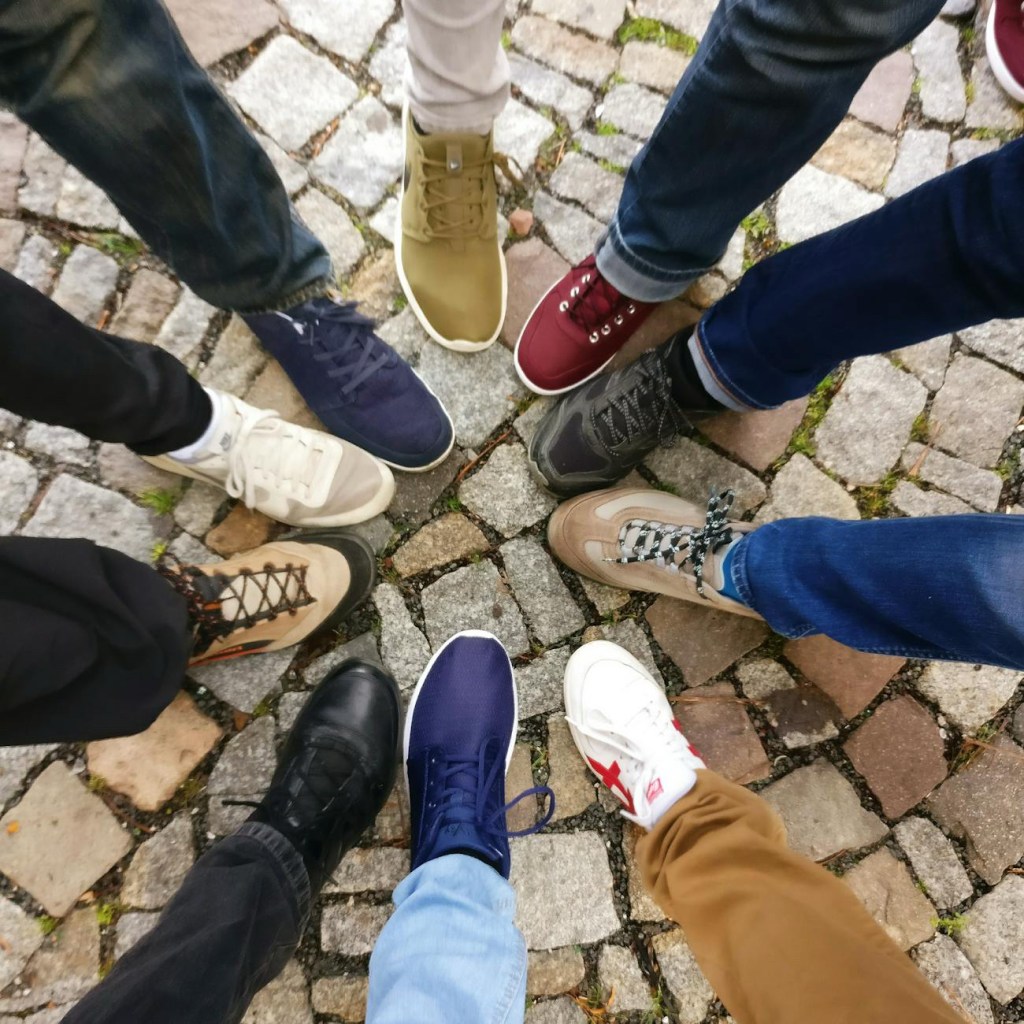
To improve my community I would reshape the design of nearby towns to emulate the “15-minute neighborhood.” Modern living has become too dependent on cars, as the default means of transportation. People suffer as a consequence due to increased sedentary lives, and all the commensurate health related issues that result. Plus, car culture is an undeniable contributor to greenhouse gas emissions, air pollution, and loss of habitat because of the infrastructure necessary to support our addiction to cars. But more than this perhaps is that cars have a way of separating us more than they bring us together.
Neighborhoods could be adjoined to markets and essential services, including those with special needs, and made available to any village as sustainable, environmentally friendly alternatives to sprawl, including designated parks and recreation fields, all within walking distance. Work too would be within walking distance for the able bodied, or reachable on a bicycle, only a short distance away. Commutes would be a thing of the past because an entire ecosystem of self-sustaining and economically efficient business networks would embrace the concept of “enough” as a new paradigm in “abundance.” In other words, more than enough would be considered wasteful, gluttonous, and counterproductive to the goal of harmoniously living with others.
In a community reshaped for human beings — ALL human being including seniors, children, and people with disabilities — and not automobiles, people become central to the design — not cars.
The goal is to live more active connected, and healthier lives. The community design is to create more possibility to literally “cross paths” with one another, perhaps multiple times per day. Without needing to roll up our windows, or hunker down behind a steering wheel, people instead become more accessible to one another and more inclined to communicate. More connected.
Car culture and community sprawl has deadened the community. The tendency or trend for people to self alienate needs some kind of intervention, but cars tend to disconnect us in many ways as compared to the past, when neighbors helped neighbors, and by happenstance, or of necessity, depended on each other; by extension neighbors were once considered “almost family.”
Maybe there is a deeper divide and car culture or sprawl are not to blame, but it would be worth trying to switch things up to create a more cohesive, connected analog world.
HVA
💚🍀
 Hudson Valley Astrologer
Leave a comment